

Ideacraft- wow!

Hoping my post finds you all well this Friday. As many of you know, I launched Ideacraft several weeks ago and I’ve been blown away by the “students” in the program. Yes, the work is impressive, but I’ve been inspired by their willingness to share and help each other out through the Discord forum.
If you are interested in the program, the last fall session officially begins Monday. Orientation is this weekend. I’m including a link to the program, along with a few glimpses into the course material. I’d love to have you join us.
Either way, creators- keep making, keep building. Great ideas are needed now more than ever.
Think Louder,
-Sterling
Case Study excerpts:

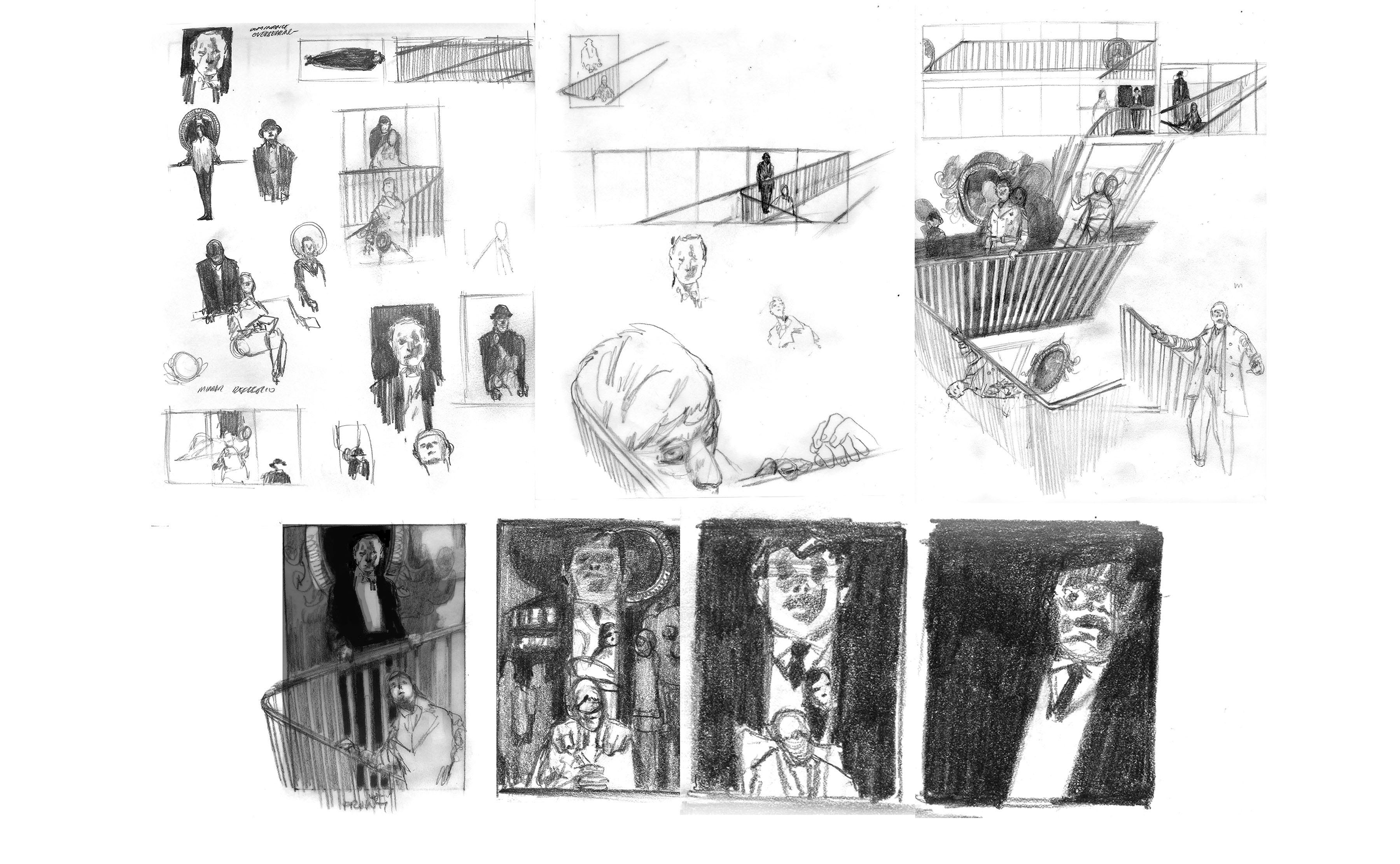
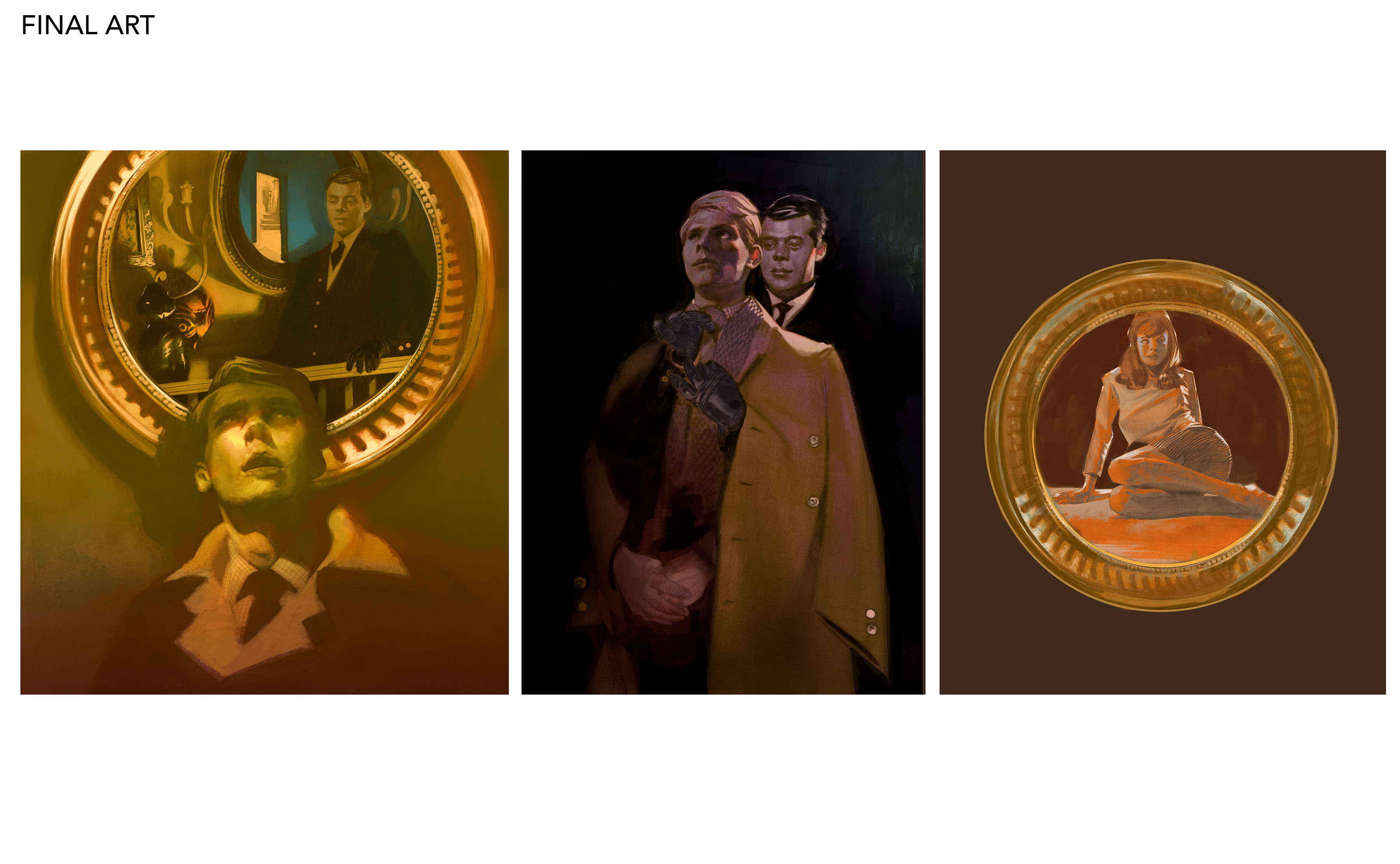
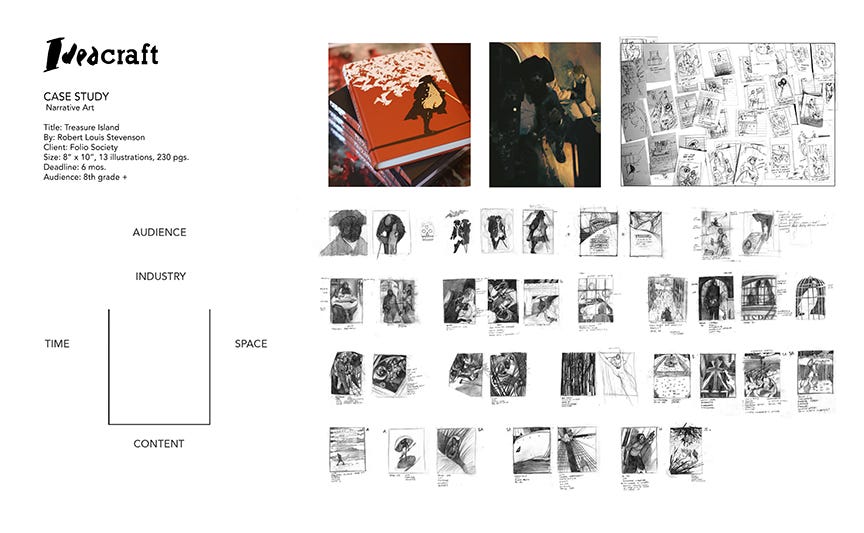
Lesson O1 Excerpt
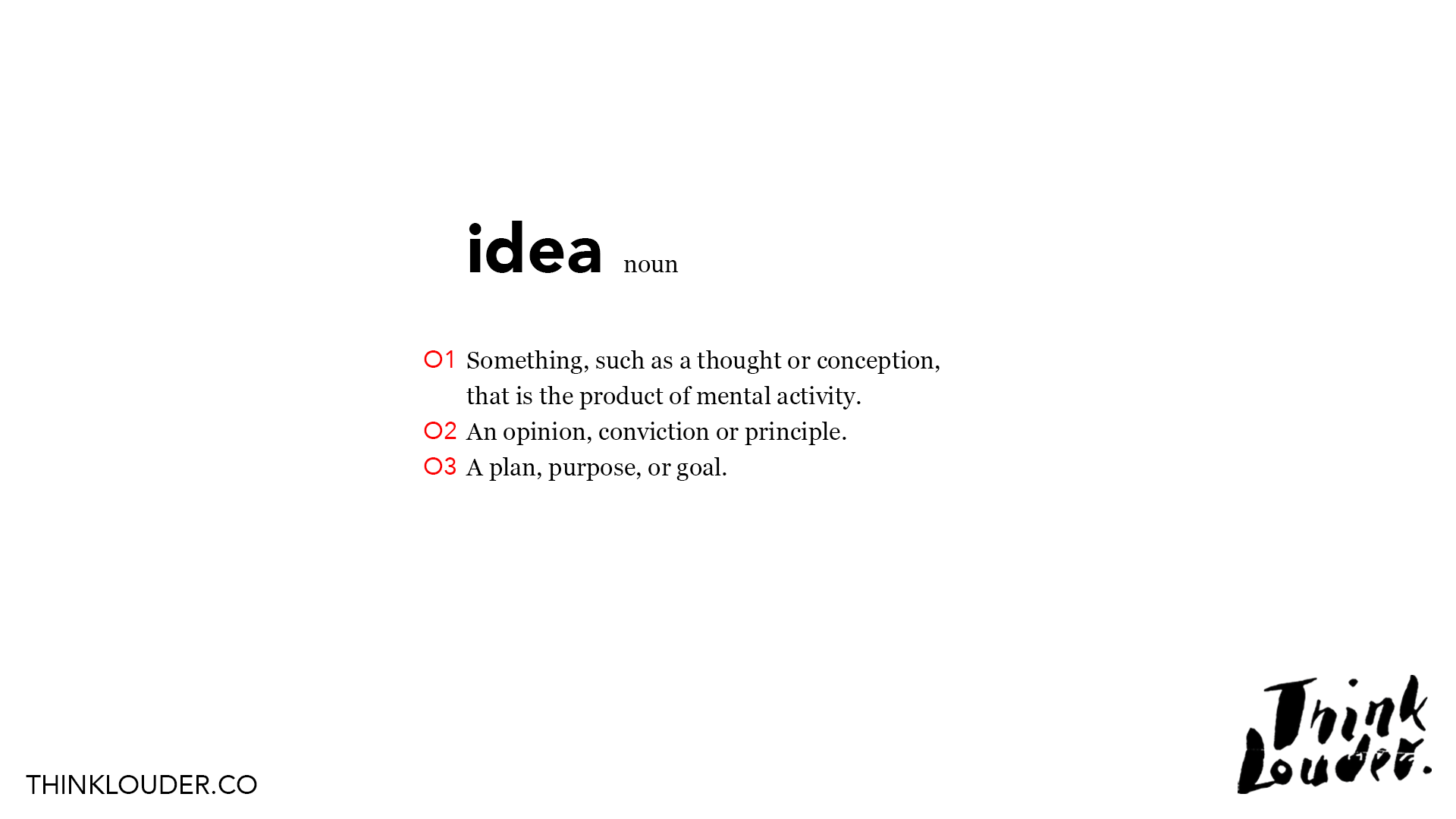
LESSON O1: What is an idea?
While this is the textbook definition of ideas, I think of ideas a bit differently. This list is not exhaustive, but it serves as a good reference point for the work we'll be doing.
O1. Ideas are the unseen connections between known things.
O2. Ideas are born of conflict.
O3. Ideas are not accidental.
O4. Ideas have no inherent value without action.
O5. Ideas are the beginning, not the end.
O6. Ideas are questions, not solutions.
O7. Ideas are an indication of potential.
O8. Ideas disrupt patterns.
O9. Ideas are associations.
O1. Ideas are the unseen connection between known things.
Ideas are rarely new or original. The genetic makeup of an idea is built from the elements from which it was formed. While an idea may be a novel solution to a new problem, it possesses traits passed on from its origins. Think of this as the DNA passed on from parents to a child. Words are powerful and it should come as no surprise that to create an idea is also known as conceiving an idea.
O2. Ideas are born out of conflict
Disrupted patterns demand our attention. In the natural world, conflict = danger. As a result, we are drawn to distinction and contrast from a very primal place of survival. We see first in patterns of light and dark. To put it within the current conversation, we see in terms of light vs. dark. Knowing that we are drawn to conflict, storytellers, and image-makers use dynamic tension to draw the viewer to ideas, stories and images. These are the fundamentals of hierarchy within art, which allows the artist to direct the viewer where they want them to look. In a two-dimensional painting, hierarchy is a proxy for time, as the artist reveals the image in a particular sequence.
Continued in Ideacraft:
You’ll have access to them as part of the Gumroad library for life(as long as one can guarantee such things!) More importantly, the Discord server will keep you connected during the class and after.